Morning Glory

Friday morning, before the getting-ready-for-the-last-day-of-school rush, I biked, Chai dog by my side, to the dog park, where I tromped around, fast, trying to avoid the mosquitos. I reviewed the Scripture passage I’m memorizing, but not a whole lot of thinking was going on. As I swung back on my bike, ready to pedal home, I thought, “Oh, I should pray.”

That’s not a bad thing. But there was a hint to it of “I have to do the right thing. I have to go about this the right way. This is what will please the Lord.”

My mind immediately went to confession and prayer for others—because that’s more “godly prayer,” right? That’s what pleases God most—my attempts at being humble and others-centered.

Right?

God was having none of it.

But rather than a thunderbolt from the sky, He got my attention with JOY.

The trees waved their branches at me—hey,

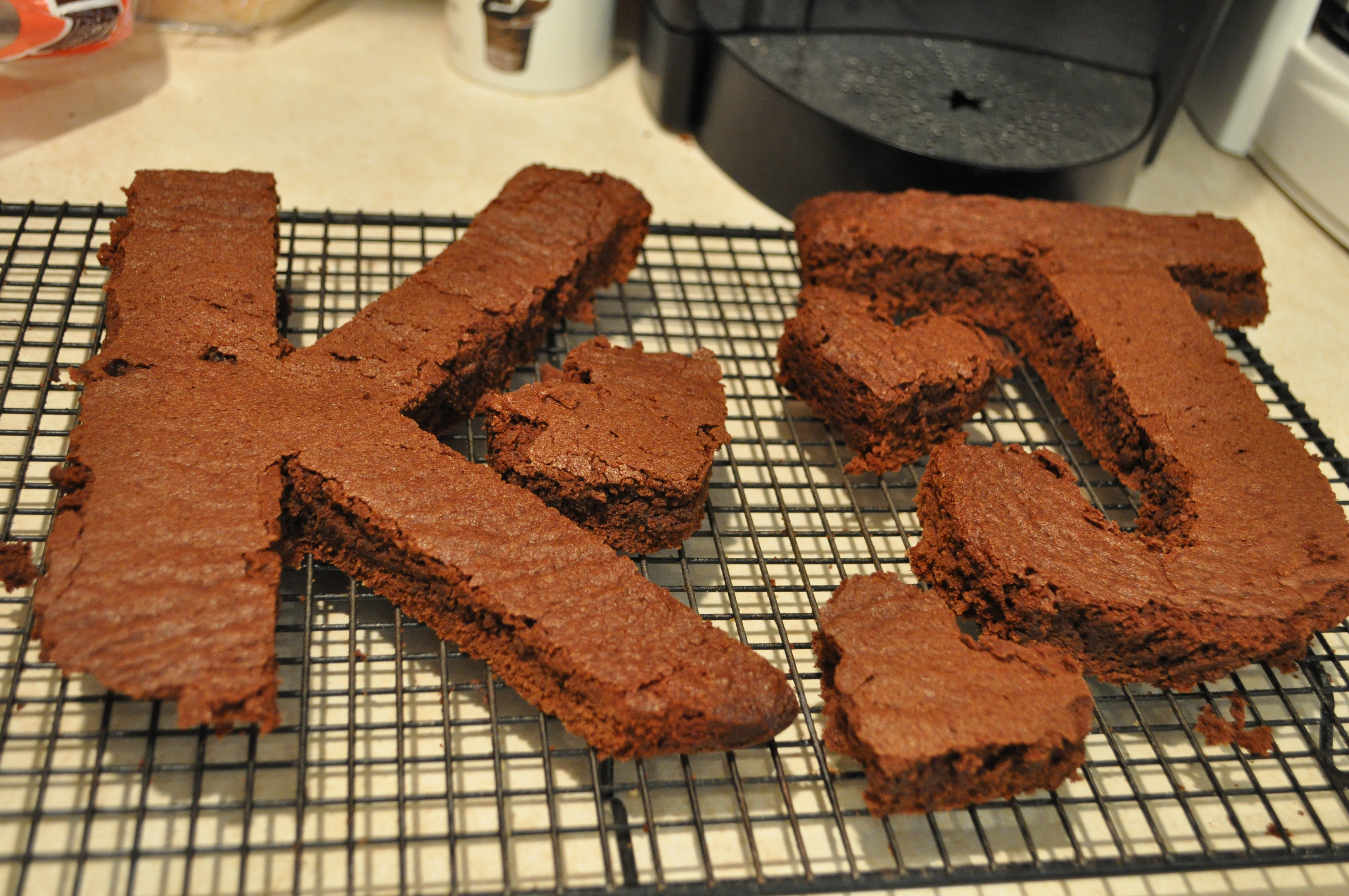
Em likes to make--and then photograph--food creations! Yummy smoothie.

Em likes to make–and then photograph–food creations! Yummy smoothie.

look over here!—and the wind flowed over my collarbone like it was trying to tickle my neck. Happy dog on a leash at my side, green grass on left and right, hum of bike tires, and when I pulled up to my house, two ducks—a mama and a daddy!—perched on our chimney!

The bubble of joy burst and showered me with droplets, and I shut down confession/supplication and let myself BE in God.

Gratitude welled up to meet the joy raining down, and an old hymn rose.

Morning has broken, like the first morning.

Blackbird has spoken, like the first bird.

Praise for the singing, praise for the morning

Praise for the springing fresh from the Word.

Yes! Be in God. Let Him guide heart prayer into His glad fullness, His sheer joyful goodness, His eagerness to share Himself with me.

Romp in the revelation of right righteousness revealed. (Couldn’t resist the alliteration!)

Mine is the sunlight, mine is the morning,

Born of the one light Eden saw play.

Praise with elation, praise every morning;

God’s recreation of the new day.


“Morning Has Broken,” words by Eleanor Farjeon, 1931


Longing to Belong

Nearly two years ago, our family moved back to West Chicago from Sterling, Kansas.

It was not an easy transition for me.

Though we lived in Sterling only three years, I felt I belonged in that tiny Kansas town more than I’d belonged anywhere else. I could be myself there, quirks and all. I felt that I fit, that there was a bigger purpose for my individual gifts.

Then we moved back to West Chicago—a place we’d already lived—and I felt launched into no-man’s land. I had to re-discover who I was, what I should be doing, and where I fit—all in the bigger context of suburbia with its many, unconnected worlds.

In October of our first year back, an editor friend offered to look over my adoption-story book proposal. We met; she gave me her very sage advice; and she said, “You know, there’s a theme running through this, and I think you need to let it shine more. This book is really about belonging.”

I missed the irony at first. How do I show the struggle to belong in this story? I wondered, not realizing I was living it out in my own life. But bit by bit, I started to see it. Then, though, came the feeling that I was the only one going through this. Everybody else has it all figured out, right? 

Um, no.

We all “long to belong.”

We all “long to be.”

We want to be part of something bigger than ourselves. We want to be integral to this bigger something, and we want to belong for simply being who we are, not for our talents or accomplishments.

At the same time we have a desire for significance in who we are individually. We want to be seen as important or needed or gifted. We want to be unique and special.

I call these longings the “we are” and the “I am.”

These two are perfectly combined in the person of God.

God is the complete “we are.” He is three IN one, completely inter-connected, with the same purpose, sharing the same “being.” Jesus said, “I and the Father (WE) are one.” In I Corinthians 13:14, this unity is called “the fellowship of the Holy Spirit.”

Yet God also calls Himself the “I AM.” God is significant—He is significance Himself. He IS unique and special.

So our desires—to belong and to be—have holy roots.

But when they’re not fulfilled in the Three-In-One who combines them, they grow up twisted.

That describes most of us, most of the time. Look at me, we cry. See what I’ve done. See that I’m special.

OR we cry, Pick me, pick me. I don’t want to be left behind. I want to be “in,” not “out.” I want to belong.

And deep down, we really want both.

The only answer to them is found in our God, who calls each of us His “masterpiece,” who tells us that together we are His body, and there are no unnecessary parts. In Him, He says, “we live and move and have our being.”

God, help us to lose our earthly ideas of “i am” and “we are.” Help us to understand that being IN the “I AM” fulfills both our desires: our longings to “be” and to “belong.”

In the great “I AM,” we can be.

In the great “WE ARE ONE,” we can belong.

More and Less: the Usefulness of an Impure Pen

“He must become more.

I must become less.”

John the Baptist’s followers were amazed by their leader’s statement about Christ’s increasing popularity and John’s decreasing fame. “What’s wrong with him?” they wondered. “Doesn’t he realize this is bad for him?”

Deep down, their concern was about themselves, not John. “What about us?” they might have been thinking. “This is not good for US. We were disciples of the popular guy. We were up and coming, well-known. But this guy is cornering in on our market, and our résumés are suffering.”

Confession: I am so very guilty of this. Every time I submit a magazine/Web article or post a blog, there is at least a hint of selfishness. Underneath the good desires (I hope others are encouraged by my journey; I hope my work honors God) are seedier ones. Will people like it? Will this make me better known? Will this lead to bigger writing assignments and opportunities?

Ugh!

I long for completely pure motives, but I know that on earth I’m simply not capable of them. My old nature will always taint my motives, and I have to constantly face this truth. I recognize the selfish motive, acknowledge it to God in confession, ask for His help, and move on–until selfishness creeps in again. It’s a never-ending battle.

At times I get tired of it, sometimes so tired I want to give up: I want to stop submitting, stop posting.

But I feel called to persist, and John the Baptist’s words encourage me to keep fighting. John said, “He must increase, but I must decrease.” He didn’t say, “He’s great; I’m not. That’s it.” A process is implied in his statement. The Amplified version adds these words: “He must grow more prominent; I must grow less so.”

Now I know John the Baptist was a prophet. I know there is a prophetic sense to these words: they are referring to Jesus being lifted up as the Savior of the world and of John being seen as Christ’s servant, His herald. Perhaps John wasn’t speaking about a heart process at all but merely the actual events that were about to take place. He may very well have been so in tune with God’s plan that he wasn’t referring to his own selfishness at all.

But when I say them, that’s exactly what I’m referring to. I’m a lot more like John’s followers than I am like John. Though I know and understand more and more the overwhelming majesty and greatness of Christ, the reality is that I lose that viewpoint all the time; I feel that I should be the center of attention. THAT’S my battle, and the process hinted at in John’s statement encourages me to keep fighting it: “Christ must grow more prominent. I must grow less so.”

So I can GROW in decreasing (that’s a cool paradox). Exalting Christ can become greater and greater in my motivations. I can become less and less. Like Paul learned contentment, I can learn this.

I have a personal teacher who helps me with this very difficult lesson. In Colossians 1, Paul tells the believers at Colossae he continually prays that God will fill them with the knowledge of His will through the wisdom and understanding the Spirit gives so (they) may live lives worthy of the Lord, please Him in every way, and bear fruit.

I know God’s will for me as a writer; it is for HIM to be exalted through my writing.

And the Spirit, my teacher, is not only able to sanctify my motives, the Spirit is also fully capable of using my writing to exalt God at the same time!

The Spirit will enable me to please God with my pen and keyboard, to bear fruit through my words,

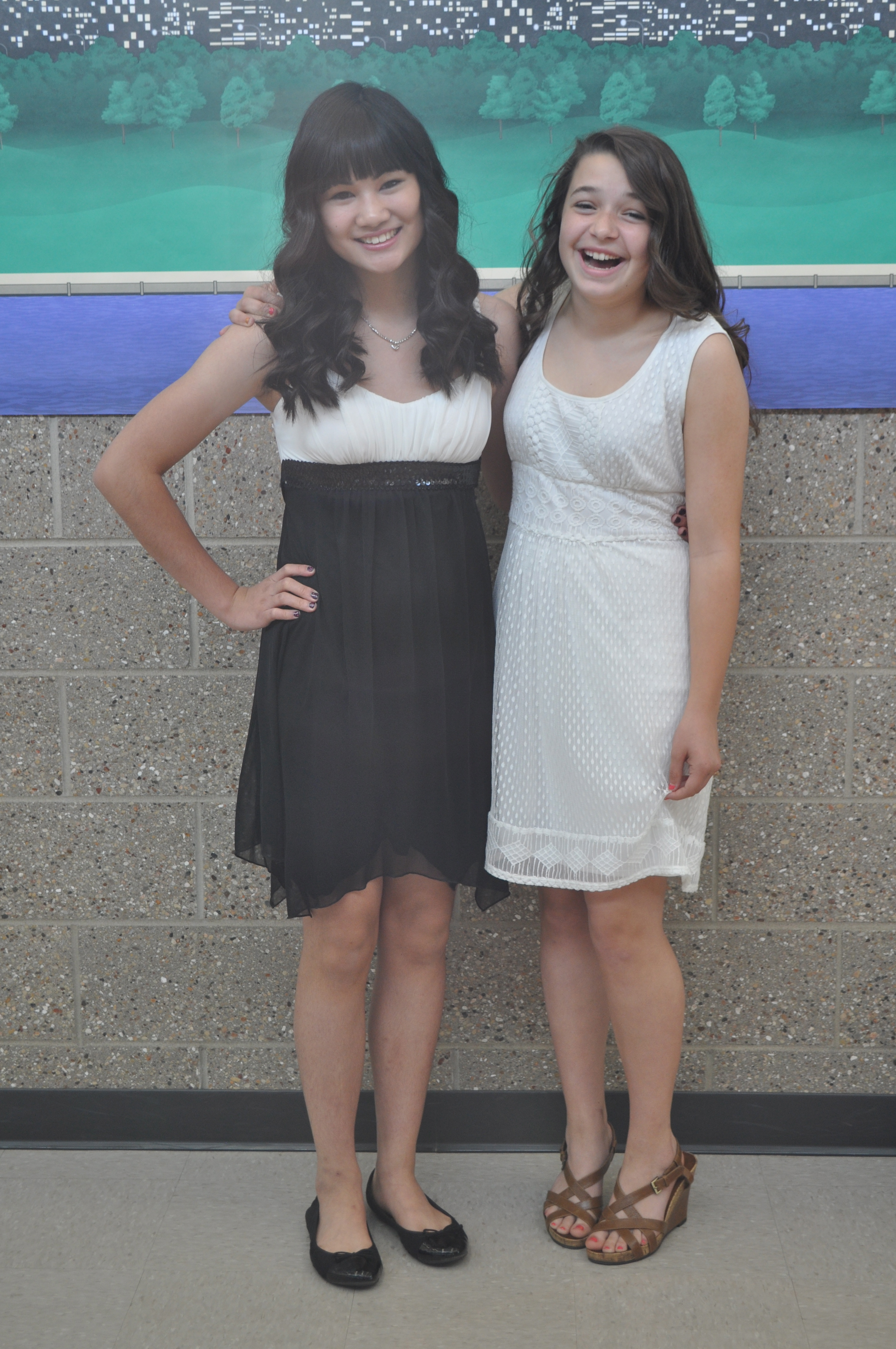
Kelly and Em at the junior high gala last night. Two beautiful girls! I must admit, though, my thought all night was, "But how did the time go so fast?"

Kelly and Em at the junior high gala last night. Two beautiful girls! I must admit, though, my thought all night was, “But how did the time go so fast?”

AND to “live worthy” as a writer.

Now THAT is Good News!


*Here are a couple of stanzas from the hymn “Holy Spirit, Truth Divine” by Samuel Longfellow (brother of the famous Henry Wadsworth Longfellow) that perfectly express the ideas in this post (and in far fewer words—oh, to be a poet).

Holy Spirit, Truth divine,

Dawn upon this soul of mine;

Word of God and inward light,

Wake my spirit, clear my sight.


Holy Spirit, Love divine,

Glow within this heart of mine;

Kindle every high desire;

Perish self in thy pure fire.

Let my words be few

The plan--hatched between PJ and Dad--was for him to pick red--for the Chicago Bulls, of course. But PJ saw the BRIGHT orange and was hooked.  So Dave drew a Bears symbol on instead!

The plan–hatched between PJ and Dad–was for him to pick red–for the Chicago Bulls, of course. But PJ saw the BRIGHT orange and was hooked.
So Dave drew a Bears symbol on instead!

I was lecturing–again. I don’t even remember which child it was, but behind him or her, Dave was signaling “STOP”: running his forefinger cutthroat along his neck; then putting his hands up, palms facing me; finally using the choir director’s sign for “and end.”

I got the hint, finally, and said, “Okay, I’m done.” I looked at the child. “Do you understand? Really?” Dave began the cycle of motions again.

The child left, and my shoulders sagged. “Suggestions?” I asked Dave. “I feel like I say the same things over and over and over.”

“And you say them well,” he said. “Too well. You say it, and then you add an illustration, and then you think of another way to say it, and then their eyes are glazing over. Must be the writer in you. Try fewer words.”

Funny how my mouth hasn’t caught up with the lessons my fingers have had to learn.

I used to hate writing word counts. I remember the first time an editor told me a piece had to be drastically reduced in length. There’s no way, I thought. That will ruin it!

It didn’t. In fact, it made it tighter, cleaner. Now I consider word counts a challenge and, eventually–when the cutting is complete, a real blessing to the overall piece.

It’s harder with the words we say, though. With writing, I can let it all out and then cut it before anyone else reads it. We can’t, however, rewind the words we say. Any revision, editing, or cutting has to be done BEFORE they leave our mouths.

“Let your words be few,” Solomon says in Ecclesiastes 5:2. He’s referring to prayer, but I think it’s a good mantra for us whenever we find ourselves with a runaway tongue. 

So many sins are related to what we say–and it’s usually because we talk too MUCH, not too little. Sometimes we have diarrhea of the mouth–completely unfiltered and unchecked (this makes me think of the illustration in James 3 of the tongue as a raging fire). Sometimes we are like a dripping faucet, nagging incessantly. Other times we may not be guilty of unkindness with our words, but we certainly can’t be accused of thoughtfulness either. Like a shallow stream our words gush on and on without much substance.

Proverbs 18:4 says, “Wise words are like deep waters; wisdom flows from the wise like a bubbling brook.” This contrasts what Job said about his very talkative friends. “You’re like unseasonable brooks that dry up in hot weather,” he told them.

Our words should come from a well of wisdom dug by the Holy Spirit. They should come forth, not in a gush but in a gentle flow. I get the impression that deep thought has taken place in the well BEFORE there is any output. The result is that the words are refreshing and helpful. Even reproof comes out of this wisdom, and encouragement is its underlying motivation.

Thought before speech; a gentle flow rather than a flood.

In other words, I need to think about my word count in my speech just as I do in my writing.

This makes sense, doesn’t it! How on earth will my children remember a lesson expressed in a torrent of words, no matter how well it is expressed. But simple directives or statements–like the Proverbs–have a better chance of sticking.

Our household rule for words is pretty simple: “If it won’t do good, don’t say it. If it WILL, DO.” I say this rule to my kids often enough that they tend to recite it with me when I start it. Sometimes THEY start it.

It’s a good rule for me to follow too.

Except I need to add “And then STOP!” at the end of it!


A few more verses about words:

Set a guard, O LORD, over my mouth; Keep watch over the door of my lips. Psalm 141:3

In the multitude of words sin is not lacking, But he who restrains his lips is wise. Proverbs 10:19

A word aptly spoken is like apples of gold in settings of silver. Proverbs 25:11

Whoever has no rule over his own spirit is like a city broken down, without walls. Proverbs 25:28

When she speaks, her words are wise, and she gives instructions with kindness. Proverbs 31:26

May the words of my mouth and the meditation of my heart be pleasing in your sight, O LORD, my Rock and my Redeemer. Psalm 19:41

Then Judas and Silas, both being prophets, spoke at length to the believers, encouraging and strengthening their faith. Acts 15:32

Even a fool is counted wise when he holds his peace; When he shuts his lips, he is considered perceptive.  Proverbs 17:28


The Lists We Make

“So how was your week?”

Absolutely crazy!

Dave coached three away games and had an evening meeting.

Em and Kelly’s junior high team had five games.

Em had a choir concert.

Judy and I had three dress rehearsals and two performances of the international student production.

And on Wednesday, Patrick broke his arm!

So–how was your week?

++++

I had that conversation several times this past weekend, and it made me think about the “lists” we make. I would call the above list a “suburban mom” list. There’s a little bit of an undercurrent of, “So how busy are you—in comparison with me?”

Ugh!

That’s not the only kind of list we make. Our lists change depending on the people we’re with. It’s a little bit like small kids talking about their dads: “My dad can run faster than a car.” “Well, my dad can run faster than a rocket!”

We can have academic lists, job lists, travel lists, sports lists—even spiritual lists.

I’ve certainly been guilty of using a list to make myself seem higher than the person I’m talking to—or at least to feel myself equal to that person.

What a nasty thing to do.

What a dangerous thing to do.

These lists separate us from other people. They deceive us into thinking that we have more differences between us than commonalities. They make us forget that we are all fellow creations, that we are all sinners, that we are all loved by God. We are all so much lower than the God who created us that our individual differences count for nothing. After all, a flea with an impressive list of accomplishments is still, well—just a flea!

And that brings me to the second dangerous thing about these lists: they separate us from God. Aren’t all of these lists ultimately ways to identify ourselves as worthwhile? Don’t we use them to convince others—and often ourselves—that we have purpose and value?

Purpose and value apart from simply being a creation of God. From simply being a flea, if you’ll pardon the extended metaphor. A flea among fleas, but each one uniquely created.

Paul had lists, too. In the context of church-planting, his were pretty impressive. In Philippians 3, he talked about his credentials as a Jew of Jews: circumcised on the 8th day; full-blooded Israelite; tribe of Benjamin; a Pharisee; strictly obedient to Jewish law—without fault! And zealous to boot! In II Corinthians he feels he must make a list simply to point out the Corinthians’ wrong way of thinking. You want to judge me the way the world does? he asks. Well, my list is better: beaten, imprisoned, shipwrecked, stoned, hungry, thirsty, cold, naked…

But Paul says this about his list-making: In this self-confident boasting I am not talking as the Lord would, but as a fool (2 Cor. 11:17). I once thought these things were valuable, but now I consider them worthless because of what Christ has done. Yes, everything else is worthless when compared with the infinite value of knowing Christ Jesus my Lord. For his sake I have discarded everything else, counting it all as garbage, so that I could gain Christ and become one with him (Phil. 3:7-9a).

That’s the choice we face: we can hold onto our lists—the things that, according to the world, give us value—or let them all go and gain Christ!

When we gain Christ, we no longer have to carry around our value-less lists. Like Paul, we have other things to boast about it: (For the Lord) “said to me, ‘My grace is sufficient for you, for my power is made perfect in weakness.’ Therefore I will boast all the more gladly about my weaknesses, so that Christ’s power may rest on me.  That is why, for Christ’s sake, I delight in weaknesses, in insults, in hardships, in persecutions, in difficulties. For when I am weak, then I am strong” (2 Cor. 12:9-10).

For when we are weak, then we are strong! Because HE is strong in us.

What a difference it would make if we boasted in these kinds of lists! When we share our weaknesses and how God meets them, it unifies us; it reveals common ground; it encourages and gives hope to others. It creates real, authentic, ultimately beautiful relationships.

Let’s start making a different kind of list!

Behind the scenes

“You learned it from Epaphras”

My quest to memorize Colossians is slow, slow, slow. But last week I got to that phrase: “You learned it from Epaphras…”

PJ in his bunny costume for last week's kindergarten Mother's Day program. You can barely see his sling under the costume. His teacher said, "Good thing he wasn't a bird! They have to flap their wings!"

PJ in his bunny costume for last week’s kindergarten Mother’s Day program. You can barely see his sling under the costume. His teacher said, “Good thing he wasn’t a bird! They have to flap their wings!”

and it jumped out at me.

That little pronoun “it” packs a lot in this case. Paul has already praised the Colossians for their faith in Christ, their love for God’s people, the hope they have in their heavenly home, and the fruit the Gospel is bearing in their lives.

Then Paul says this: “You learned (all this) from Epaphras…”

Good job, Epaphras! Scripture tells me very little about you. You’re clearly not a “major player” like Paul. You get less mention than Barnabus or Silas.

But Paul thought highly of you. After “You learned it from Epaphras,” Paul calls you a “dear fellow servant” and “a faithful minister.” He says that you work on the behalf of others—not for glory for yourself. He says you love to brag on the believers at Colossae. You take joy in praising them.

The Colossians learned a lot from you, the kind of learning people don’t get from lectures or sermons. I’m guessing your life was one people could follow, one that “showed” the Gospel, fleshed it out in an imitation of Christ. I’m betting you were pretty approachable, that people felt comfortable talking with you, even ordinary, everyday people.

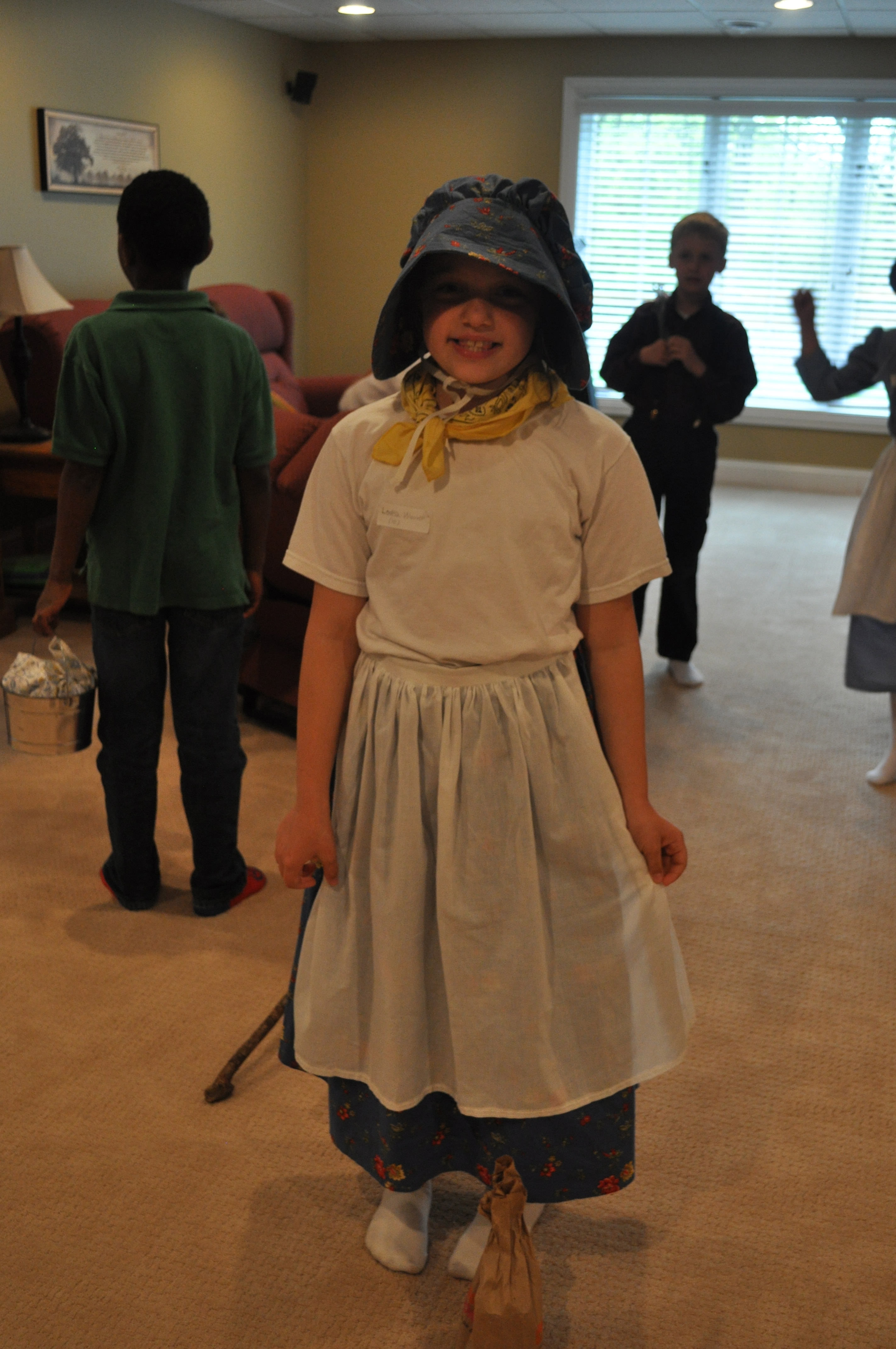
And Maddie and Jake had Pioneer Day last week, too. Costumes galore!

And Maddie and Jake had Pioneer Day last week, too. Costumes galore!

Epaphras, you remind me of a lot of behind-the-scenes Christ-followers I know. They are doing their darndest to live out their faith—but they’re not front-and-center types, and sometimes they wonder if what they are doing is “doing” any good. They pray more than they speak; they help and follow more than they lead; they may live much of their days and lives in the company of just a few people. They sense that God had called them to exactly what they are doing, but sometimes it just doesn’t seem enough.

The lesson I gain from you, Epaphrus, is this: “Take heart! Don’t get sidetracked. Remember the goal: to ‘teach’ Christ through your lives. God has somebody watching.

And they’re learning Christ from you.”

DSC_1146

Monkey Bars and Broken Wrist

Here's a pic of PJ I took a couple weeks ago--he's hanging on monkey bars--how appropriate. I'll post a pic of him with his cast when we get the permanent one on. Each of the siblings is lobbying for a different color! We'll see.)

Here’s a pic of PJ I took a couple weeks ago–he’s hanging on monkey bars–how appropriate. I’ll post a pic of him with his cast when we get the permanent one on. Each of the siblings is lobbying for a different color! We’ll see.)

Yesterday on the way to school we read the kids’ version of the devotional Jesus Calling. It was about troubles. “You’ll have them,” the devotional reminded us (I’m paraphrasing). “I promise you will, but I also promise you I will use them, and I will go through them with you. I will even enable you to smile in the face of trouble.”

At noon, when I picked up PJ, holding his left wrist carefully away from his body, to take him to get his arm x-rayed, I asked him, “Do you remember the devotional from the morning?” He didn’t, so I read it to him again.

“Wow,” he said. “God was right. Trouble did come!”

Yesterday’s “trouble” came when PJ, upside down on the monkey bars at school, slipped as he was trying to pull himself upright. He broke his fall with his left arm (his dominant arm). X-rays revealed that the wrist is broken (a “buckle” break on the ulna) but the elbow is fine.

He was a trooper during the entire process of check-in, x-rays, the fitting of the temporary cast. It helped that he got to watch The Lorax, which he loves, and that the aide gave him an orange popsicle when he was done (which he promptly dripped onto his cast!).

When I walked into his classroom this morning to talk with his wonderful teacher about what he’s not allowed to do right now (definitely no more monkey bars for awhile), she apologized. “I’m so, so sorry,” she said.

“It’s fine,” I told her. “We’re surprised it’s taken him this long to break a bone!”

And actually, as long as the Ibuprofen is pumping through his little body, PJ’s even smiling!

And here's one of my crazy boy with a dirt clod he found at a soccer game last week.

And here’s one of my crazy boy with a dirt clod he found at a soccer game last week.

Lived-out lies

About two months ago the drama director at Wheaton Academy asked if I would direct a one-act play for the first-ever International Student production at WA. She sweetened the pot by hiring people to organize props, costumes, and the set. She hired someone to do sound and lights. She gave me a student director. All I had to do was direct.

Spring is by far the craziest season in our family’s year, but I couldn’t turn that down. So for the past five weeks, I’ve made our schedules even crazier with the addition of play practices. Our first performance is this Thursday, so I wrote my intro to the play yesterday. It felt a little like a blog entry, so I’m including it here, with a few revisions.

First, a little about the play. The Lie is a one-act based on a short story by Kurt Vonnegut. The Remenzel family has three members: Dr. Eli Remenzel, a man from a long line of wealth; his wife, Sylvia, who is from a poor background; and their 14-year-old son, also named Eli. When the play opens the Remenzels are on their way to Opening Day at Whitehill School, a prestigious boys’ prep school that was founded by the Remenzel family in the 18th century and has been generously supported by them ever since. Whitehill believes in equality; it takes only young men who pass its entrance examination and it accepts them regardless of their family’s ability to pay. Dr. Remenzel is very, very proud of this and he is excited that his son is carrying on the Remenzel tradition of attending Whitehill.

What Dr. Remenzel does not know is that his son failed the entrance examination for Whitehill. He has been refused admission but is afraid to tell his father this. Eventually, of course, this comes out, but as the young Eli and his parents deal with the consequences of his lie, a bigger lie surfaces. It’s a lie that’s being lived, not just told, by his father. The play ends with young Eli asking his mother, “Does he know?”

“Know what?” she asks.

“That he’s a bigger lier than me.”

Oh! It’s a killer ending.

Despite the play being rather sad, directing it has been a blast. The actors and my student director are incredible. But a play like this makes you think. On opening night, Thursday, I will introduce the play with some of the lessons I’ve learned:

I’ve decided that we are prone to “living lies” a lot more than we think we are. Possibly we do more of this kind of lying than the simple “telling” kind. We live lies every day: when we SAY that something is important to us but our daily lives don’t reflect a striving toward that; when we say we love Jesus but we don’t really study what He says and change our lives to fit His teaching; when we say we love people but we’re willing to gossip about them or ignore them; when we’re willing to adjust our identity based on the people we want to impress.

There’s a verse in I John 1 that talks about this kind of deceit: “So we are lying if we say we have fellowship with God but go on living in spiritual darkness. We are not practicing the truth.” Practicing the truth is the opposite of living a lie. My natural bent is to live the lie, to do whatever feels most convenient or profitable for me. Living in truth requires practice, and it’s hard.

But we hurt ourselves when we live lies instead of practicing truth. This play shows this so clearly. Every time I’ve watched it, I’ve felt sad because that family is being damaged by this lived-out lie. It’s keeping them from really honest, true relationship with each other.

And sometimes I feel that way—sad and a little hopeless—about myself, too. Half the time I don’t even know I’m living a lie. I don’t even see the ways I hurt people until I’ve already done it. I don’t recognize that I’ve worn a mask to please people.

I’m not alone in this. The psalmist David said, “How can I know all the sins lurking in my heart?” This makes me think of another verse in I John 1: “If we claim we have no sin, we are only fooling ourselves and not living in the truth” (verse 8). Another version says, “we are deceiving ourselves.”

Summary: Sin lurks in my heart, and my natural bent is to pretend it’s not happening! That’s discouraging!

But unlike the family in The Lie, who seem stuck in this place of deceit and brokenness, I have hope—THE hope: Truth himself.

Just after David wailed, “How can I know?” he asked God to “cleanse him from his hidden faults.” John said that God is faithful to reveal and then forgive and then cleanse us from our sins—from the lies we live. God tells us to come into His light and He will expose our darkness. That’s an uncomfortable idea. I’m usually a lot happier when I think I’m doing okay.

But I don’t want to live like the family in The Lie. I want what God promises, that if we live in His light, we can have this incredible fellowship with each other, we can be continually cleansed and made true by Christ’s blood.

Hallelujah!

the one Jesus loved

During a stressful stretch last year I listened to a podcast sermon and one sentence jumped out at me. “Don’t measure God’s love for you by your circumstances or your feelings.”

The speaker went on to list Biblical characters who experienced very difficult times: Job, the apostle Paul, Mary, the mother of Jesus…

And I thought of “the one Jesus loved.”

John—who referred to himself by that title in the gospel of John.

When I was a teen, I thought John’s self-titling was a sign of narcissism (not that I would have used that word). After all, Jesus gave John and his brother, James, the nickname “Sons of Thunder” after they wanted Him to call down fire from heaven on some Samaritans who refused Jesus welcome. Later their mother asked Jesus if her sons could sit in places of special honor in heaven. If he had written his gospel then, as an impetuous, ambitious young man, an accusation of narcissism might be appropriate.

But John was old when he titled himself “the disciple (one) Jesus loved.”

In the years between the events of the gospel and its writing, most of his friends had been executed, and he himself had been imprisoned, beaten, boiled in oil (if the legends are correct), and exiled to Patmos, an island used by the Roman Empire as a place of banishment. “Patmos” means “the killing.” John was surrounded by other banished criminals—certainly a great mission field, but not exactly a place of comfort.

So when he called himself “the one Jesus loved,” that’s almost ironic.

It’s supernatural. MY tendency would be to write from a place of doubt. “Do You really love me, God?” I would wonder. “After all this? Now? In this place?”

Yet when John looked back to those precious days of being with a Christ who could be seen and touched (John 1:14 and I John 1:1-2), his chief memory was of being loved. When he titled himself “the one Jesus loved,” he was making a pronouncement: “Jesus loved me then and He loves me now. This is who I am, one loved by Christ. I have found my identity in being loved by Him.”

Clearly the ambitious young man who felt the need to prove himself, to grasp at accomplishment and glory, was transformed by Jesus’ love. He wasn’t saying Christ loved him more than He loved the other disciples; he was telling his readers that just like him we can find our true identity in Christ.

I, too, can call myself “the one Jesus loves.”

So can you.

suburban gratitude

Dave bought me this sign for Christmas and I hung it in our family room. I think (I hope) it describes us well.

Dave bought me this sign for Christmas and I hung it in our family room. I think (I hope) it describes us well.

I’m working on chapters three and four of our adoption story, so I spent a couple hours this morning sorting through emails I sent out during 2008 and 2009. Some of those were specifically about adoption matters: court dates and home studies and official documents, but many others were simply newsletters about our family.

Em was seven and Jake and Maddie about three and a half in the earliest updates (January 2008); the last one I read was written six months after Patrick and I came home from Uganda (September 2009). I wrote about funny things they said (like when Maddie was pretending to be Jake’s mommy until Jake, fed up with bottles and blankets, ran away from her, crying, “I all growed up now, Maddie. I not a baby any more”). I wrote about daily routines that I’d forgotten, like Patrick coming home on the preschool bus in Kansas. He would bring his backpack inside, tell me to “Close eyes, Mommy,” and then show me each paper he’d worked on that morning, one by one. Then we read his new library book—they went every day—TWICE. And all this before lunchtime. I wrote about life lessons they were learning, like when Em got the teacher she did NOT want and her words three weeks into the school year: “Mom and Dad, you were right. I think God did want me to have Mrs. Farney. I really like her.”
The emails made me a little sad. Those times are gone, and life with my kids isn’t so simple anymore. It’s not full of long Saturdays spent at home or morning playtimes at the park. They’re growing up and away—just as they should be—but I was suddenly a little nostalgic.
And I was also grateful—for something I don’t think I’ve ever before been grateful for. I was thankful for all the driving, the times in the car, the back and forth to this activity and that practice that consumes so much of my life these days.
Usually this is one of the things I hate most about life in suburbia. Twenty-minute drive here, thirty there, another fifteen…
But my kids are captive in the car—right there with me, right there with each other. And we talk about our days and we listen to good books (yay for audio books), and we sing, and we spend time together, and they can’t escape, and I can’t get all busy with housework or writing projects. And when it’s me and just one of the kids, we get quiet, let’s-really-find-out-what’s-going-on time.
Hmm. Maybe there are other things on my “hate” list that I can learn to be thankful for.