Good works prepared: Faith Willard and Sarah Aulie

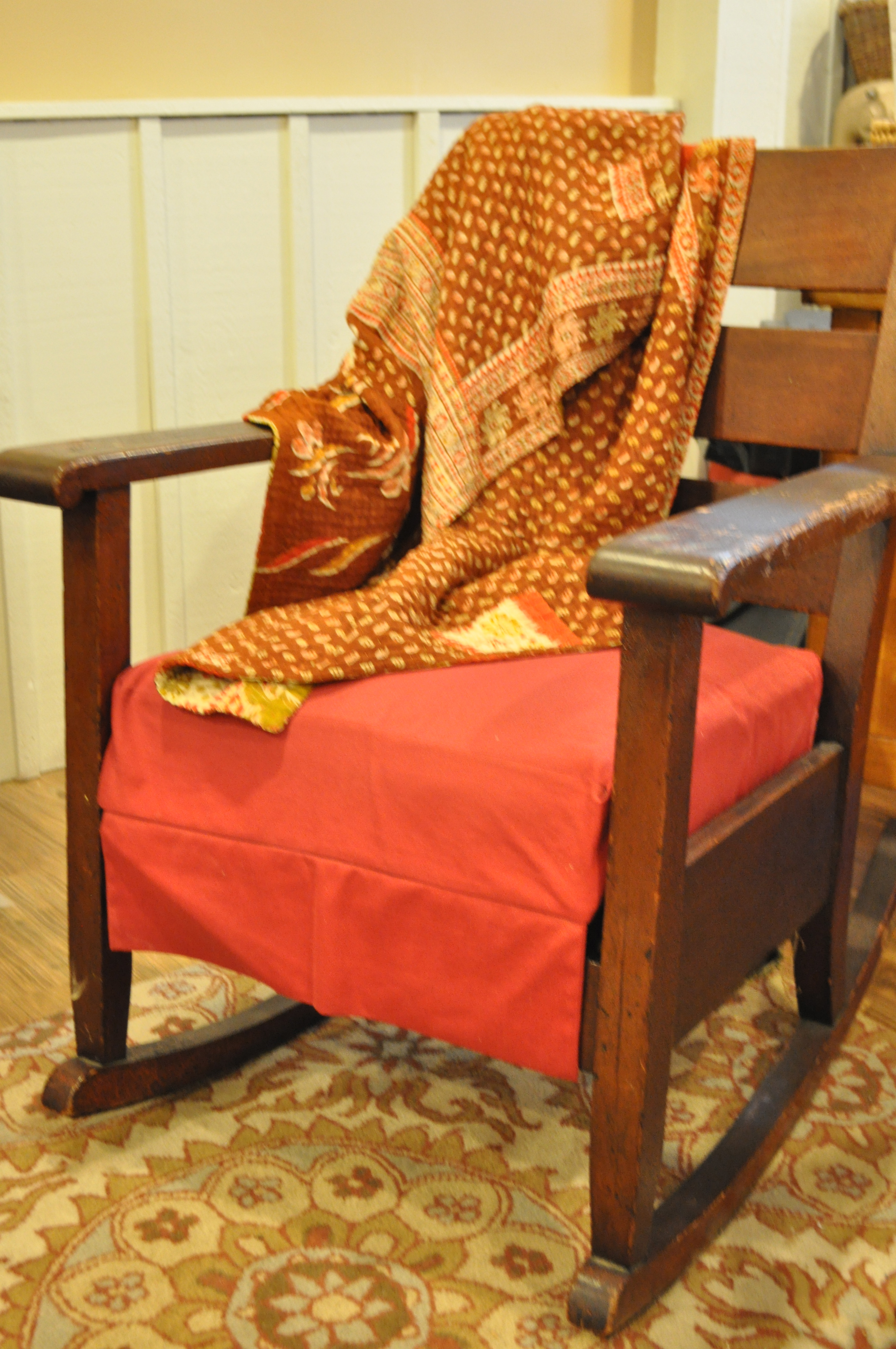
One of Hand and Cloth's beautiful blankets draped across a chair in my bedroom. They truly are lovely and would make great Christmas presents!

One of Hand and Cloth’s beautiful blankets draped across a chair in my bedroom. They truly are lovely and would make great Christmas presents!

This morning I had the opportunity to listen to Sarah Aulie (founder of Hand and Cloth, which I’ve written about before; click on the link to read about it) and Faith Willard speak at Wheaton Academy’s alumni recognition chapel. Both graduated from the Academy (50 years apart!), and Sarah, a 2000 grad, considers Faith, a 1950 grad, to be her mentor. It’s a beautiful story.

In 2007 Sarah was at a crossroads. She knew the Lord was calling her to do some sort of overseas work that would provide at-risk women with a livelihood, but she didn’t know any specifics. She asked her mother to pray for her, and her mother brought the request to the prayer group she led at Wheaton Academy. The prayer request spread to the administrative assistant of the Head of School, who maintained connections with WA alum all around the world, including Faith Willard, who’d been working in Bangladesh for more than 30 years by then. The admin assistant connected Sarah with Faith.

In 2007 Sarah flew to Bangladesh and saw firsthand the work of The Widow’s Friend, the organization Faith started in 1975 that now runs medical clinics, an orphanage, a high school, a mission/job skills training center for for widows, a school for the deaf, and a hostel for unmarried working women. Through Faith’s widespread work and connections, Sarah got a big-picture view of the needs in Bangladesh, and she became particularly interested in women who were unprotected by husbands or families. These women are often trafficked or forced to work in prostitution because they have no other options for supporting themselves and their children.

Sarah wanted to provide dignified work for these women, and when she discovered the kantha, a traditional blanket made from used sari cloth, she had an idea. She formed Hand and Cloth, a U.S.-based non-profit, to sell kantha blankets in the U.S., and partnered with House of Hope, a business in Bangladesh, to employ women to stitch the blankets.

I wrote a full article on these two women in the fall of 2012. Though I was able to interview Sarah Aulie in person, I had to talk on the phone with Faith Willard. It was a joy to meet her in person this morning and hear her words of wisdom to the students. She told them wonderful stories of God’s providence and how he has led her, time and time again, in the 65 years since she left high school. She, too, had many times when she didn’t know what she was supposed to do; she simply had an urge and a desire. She quoted Ephesians 2:10. “For we are God’s handiwork, created in Christ Jesus to do good works, which God prepared in advance for us to do” NIV (the link has NIV, Amplified, and Message versions of it alongside each other).

“He’s already gone ahead and made preparation,” Faith reminded the students–and me. “If you just have a heart to honor the Lord, that’s all he needs. He’ll go before you and prepare the way. He’s always doing that. You’ll find He’s provided all you need.”

As I listened, I reflected on how that message has continued to be true for Sarah. Sarah is now married to a Greek man and is living in Athens, which–not coincidentally–is a real hotbed for trafficking. Sarah is already looking into ways Hand and Cloth can expand its scope and provide dignified work to some of the women trapped in Greece’s prostitution trade. Just as Faith said, God has once again gone before Sarah and prepared a good work for her to do.

Sometimes it’s a lot easier to see how God is making a way for others than it is to see how He’s going ahead of us in our own lives. Faith’s message was exactly what I needed to hear this morning, and I’m passing it along in case it’s what you need to hear, too.
The freedom of being a small character

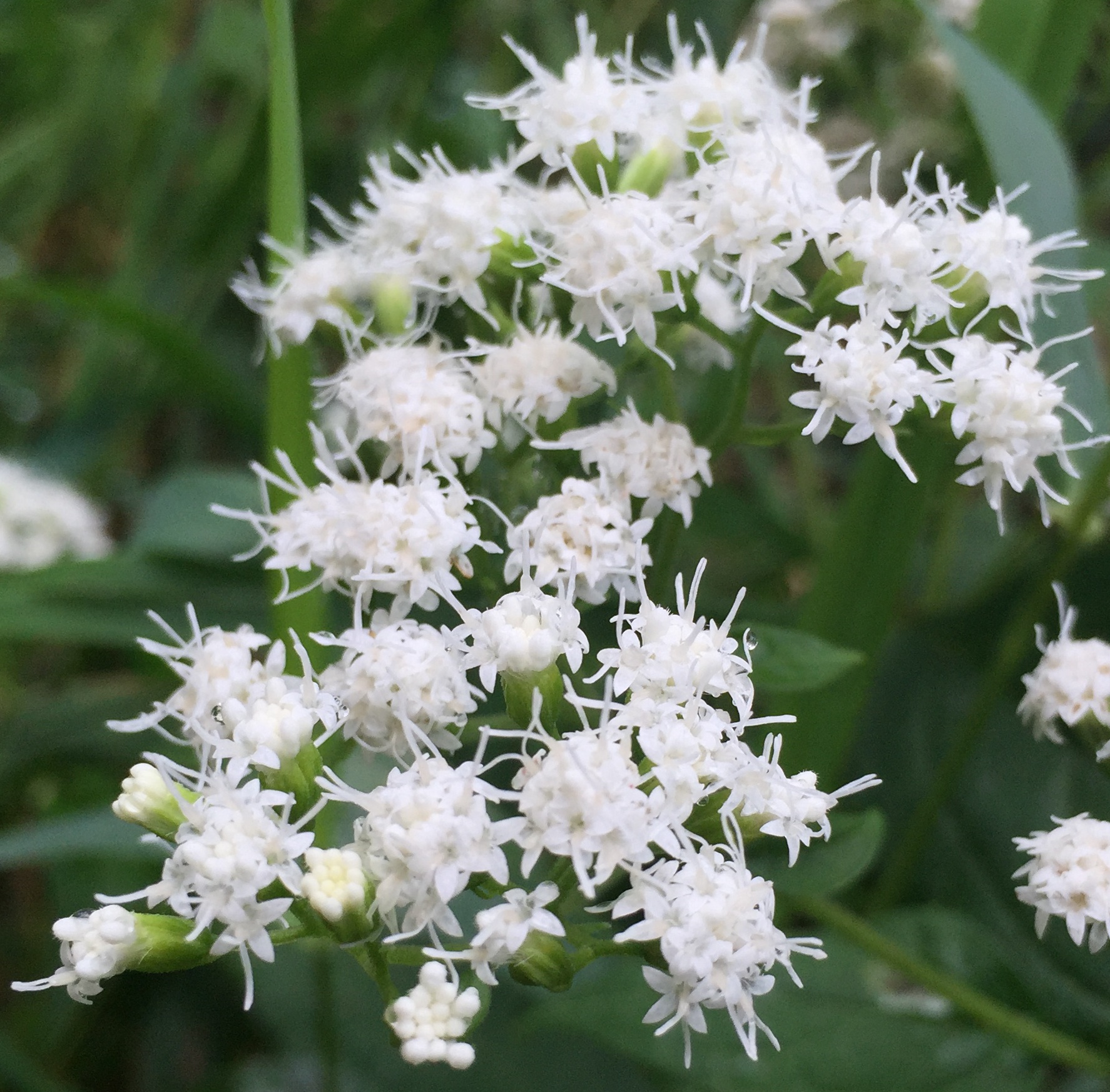
flower close upI just finished Still by Lauren Winner, an author who rises higher on my favorite list every time I read another of her books. (Follow the link above to her Amazon page to see all of them.) Still is about what she calls a mid-faith crisis–the doubting, dull doldrums–and what still keeps her in the faith and allows her, ultimately, to remain still in it.

One of my freelance assignments right now is a week of devotions on the “walk humbly” portion of Micah 6:8, and I’ve been simmering in that phrase before I begin the actual writing. Perhaps that is why the quote below from Still caught my eye. Whatever the reason for my first attraction, I have returned to it several times since, and I want to share it with you. If you are wondering this day about the specific purpose of your life; if you have thought “What am I doing?”; if you’re struggling with your significance/success–or seeming lack of it; if you’re shamed by failure, this one’s for you.

“It turns out the Christian story is a good story in which to learn to fail. As the ethicist *Samuel Wells has written, some stories feature heroes and some stories feature saints and the difference between them matters: ‘Stories…told with…heroes at the centre of them…are told to laud the virtues of the heroes–for if the hero failed, all would be lost. By contrast, a saint can fail in a way that the hero can’t, because the failure of the saint reveals the forgiveness and the new possibilities made in God, and the saint is just a small character in a story that’s always fundamentally about God.'”**

That last line (emphasis mine) keeps grabbing me. A load rolls off when I sit with it. I sigh with relief and gratitude. Yes! I breathe, yes!

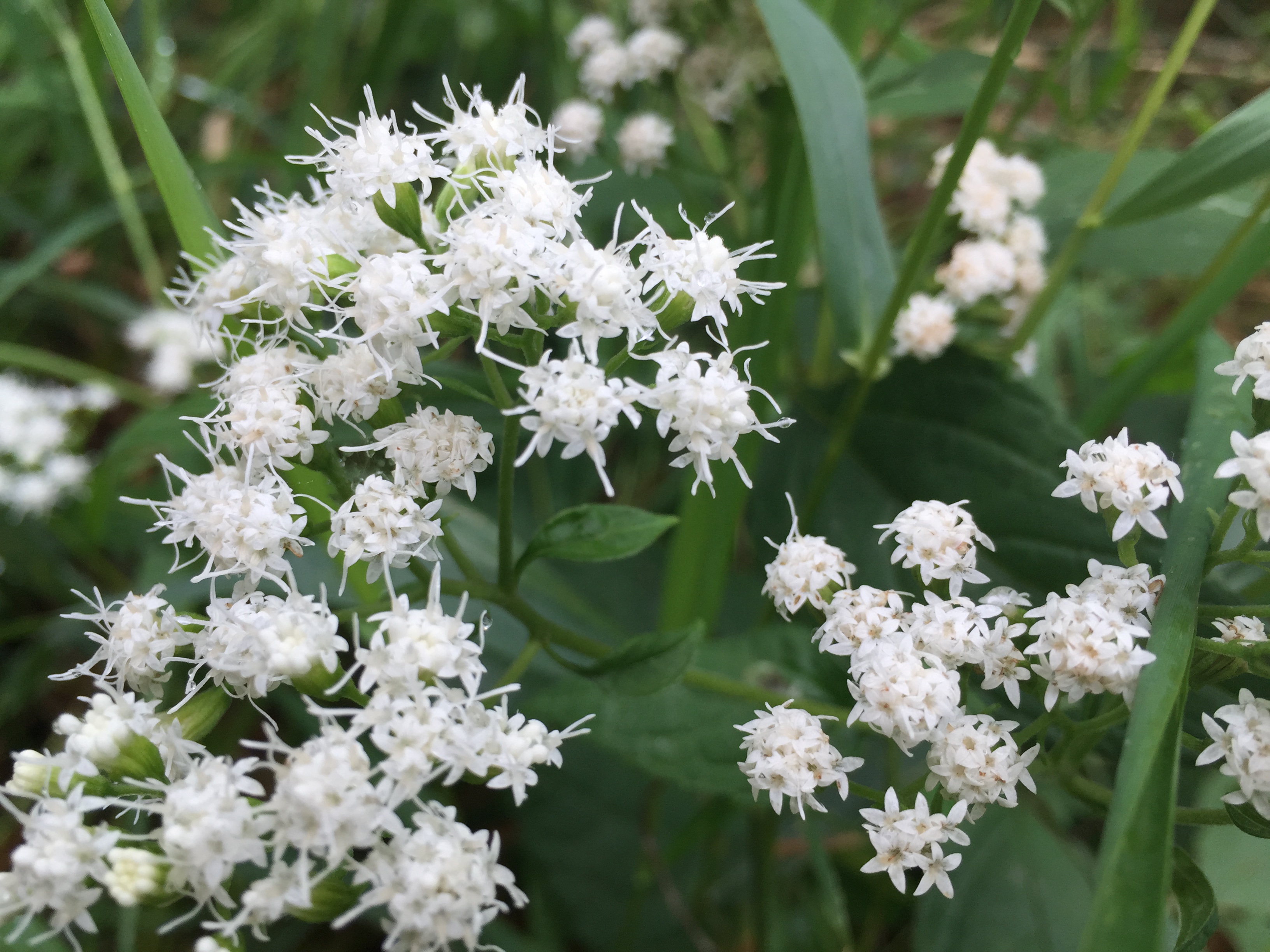
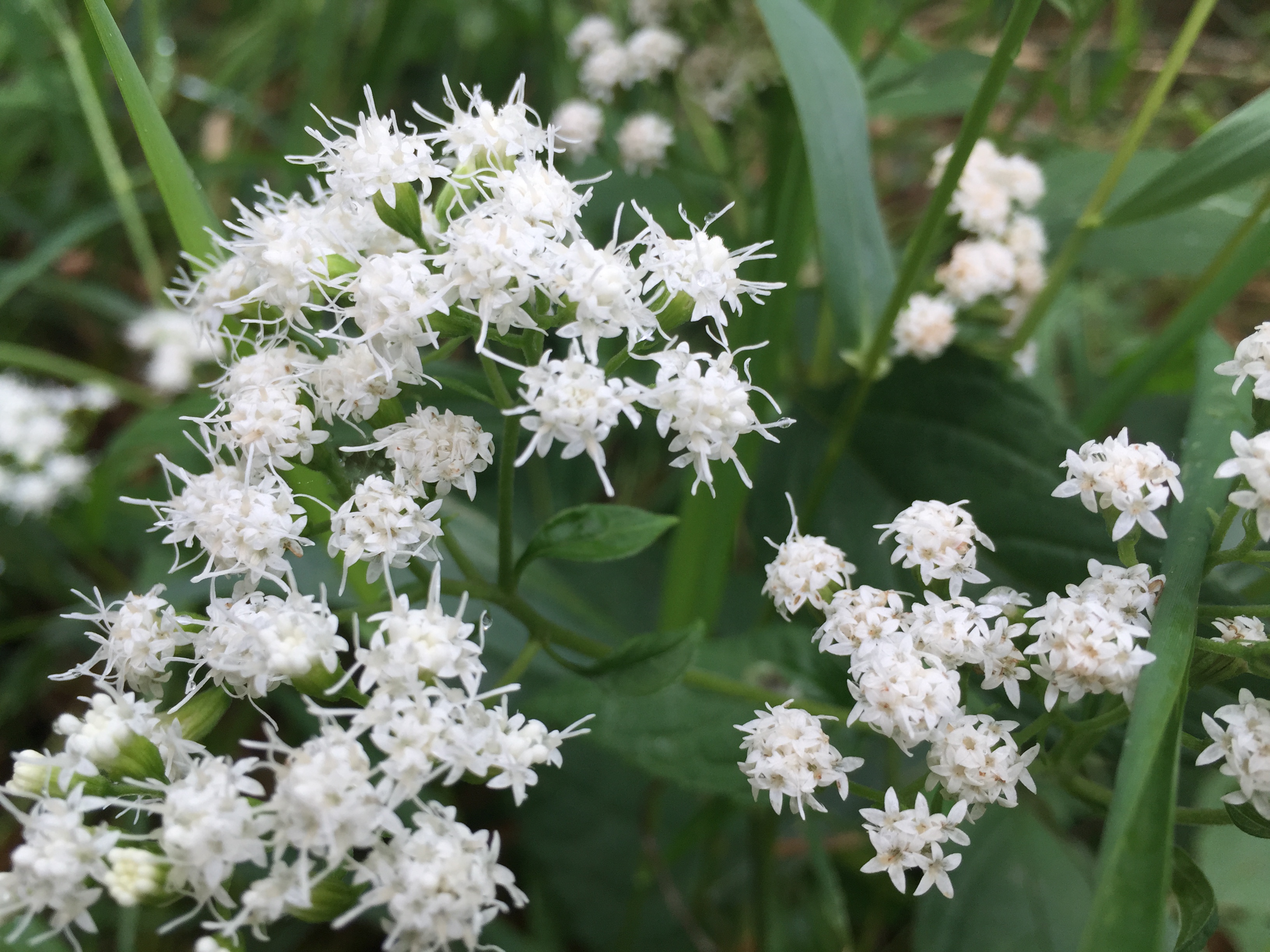
white flowersFather, you are the Playwright of the greatest story ever, and you’ve given me a role in it, a small but somehow still important role. This story is about You; it’s for you; it’s by You. I come to you now and ask that You would simply show me what You have for me today in this story. Help me to release the big story to You, to let Your capable pen write it. Help me to live into the part you have for me, one small scene at a time. Give me great joy in doing my best for You. Remind me that You empower me to live out my role. May my bit part–and all our parts collectively–glorify You.

Just on a whim, I did a search on the word “story” on Bible Gateway. I specifically chose The Message to search from because I thought it might use the word “story” in a symbolic sense as well as in a literal one. I wasn’t looking for anything in particular, but I found some beautiful, arresting passages. I’ve included some of them below.

“You’re hopeless, you religion scholars and Pharisees! Frauds! You keep meticulous account books, tithing on every nickel and dime you get, but on the meat of God’s Law, things like fairness and compassion and commitment—the absolute basics!—you carelessly take it or leave it. Careful bookkeeping is commendable, but the basics are required. Do you have any idea how silly you look, writing a life story that’s wrong from start to finish, nitpicking over commas and semicolons? ***Matthew 23:23-24

[ Trusting God ] So how do we fit what we know of Abraham, our first father in the faith, into this new way of looking at things? If Abraham, by what he did for God, got God to approve him, he could certainly have taken credit for it. But the story we’re given is a God-story, not an Abraham-story. What we read in Scripture is, “Abraham entered into what God was doing for him, and that was the turning point. He trusted God to set him right instead of trying to be right on his own.” ***Romans 4:1-3

I’ve preached you to the whole congregation,
    I’ve kept back nothing, God—you know that.
I didn’t keep the news of your ways
    a secret, didn’t keep it to myself.
I told it all, how dependable you are, how thorough.
    I didn’t hold back pieces of love and truth
For myself alone. I told it all,
    let the congregation know the whole story. ***Psalm 40:9-10

*The Samuel Wells link leads to a piece he wrote for The Christian Century about Bonhoeffer. It doesn’t link specifically to this topic, but it’s a really good read and what he wrote near the end of the article about Bonhoeffer’s assumptions about his own life’s “success” really do flesh out the quote above (which is not from that article).

**The quote is linked to the specific page it can be found on in the book God’s Advocates: Christian Thinkers in Conversation. It’s a Google book, so the entire thing is available for reading on that page.

***The Scripture links lead to a parallel versions (Message, NIV, Amplified) of that passage, allowing you to see other translations alongside Peterson’s work.

A Full Physical Life

On my walk this morning, I looked for evidence of death and life, side by side. I'm inserting a few of the examples I found.

On my walk this morning, I looked for evidence of death and life, side by side. I’m inserting a few of the examples I found.

The verse-of-the-day on Bible Gateway yesterday was Isaiah 46:4. “I will be your God throughout your lifetime— until your hair is white with age. I made you, and I will care for you. I will carry you along and save you” (NLT).

The phrase about white hair made it feel personal, since mine is moving progressively from pepper-and-salt to salt-and-pepper. Every time I get it cut, there are more white trimmings on the floor, reminding me that time, marching on, isn’t just changing my children’s bodies, it’s changing mine. Through my 20s and 30s I was generally able to ignore the truth that I live in a body that is decaying, a body that will eventually give up its hold on life, but now? Not so much. The knees ache when I walk down leaves near treestairs; the belly has firmly decided it likes curves better than straight planes; my head still wants to look over my shoulder, but my stiff neck vetoes the idea nearly every time. I tell my children that I exercise so I can keep up with them, but I know the time is very soon coming when their growing strength will far outstrip my failing energy.
dew on leavesThat’s, honestly, a little sobering. My husband, parents, siblings, friends–we’re all on the downhill side of life’s timeline. Diet and exercise can only do so much, can’t actually stave off the inevitable (no matter what Tony Horton says). But God remains the same. Yesterday, today, forever, 50 years ago, next week, a millennium hence–no change. The Amplified translates Isaiah 46:4 this way: “Even to your old age I am He, And even to your advanced old age I will carry you!  I have made you, and I will carry youBe assured I will carry you and I will save you.”
ok--this one doesn't exactly fit what I was looking for--but these blossoms were so intricate!

ok–this one doesn’t exactly fit what I was looking for–but these blossoms were so intricate!

The spiritual meaning of that verse is beautiful and truer than its physical meaning. But yet I take great comfort in knowing that when I am reduced to hobbling, to sitting, to a curled-up lying on a bed–He will carry me. He will be with me. He will continue the work He has begun in me and through me. I will not be useless–because of Him.

I take great comfort, too, in the assurance that He will save us from these decaying bodies. Near the end of summer I learned of the deaths of a high school friend and a former student at the school where I work. In the midst of grieving, we take comfort in knowing they are spiritually and emotionally alive with a fullness we cannot conceive.
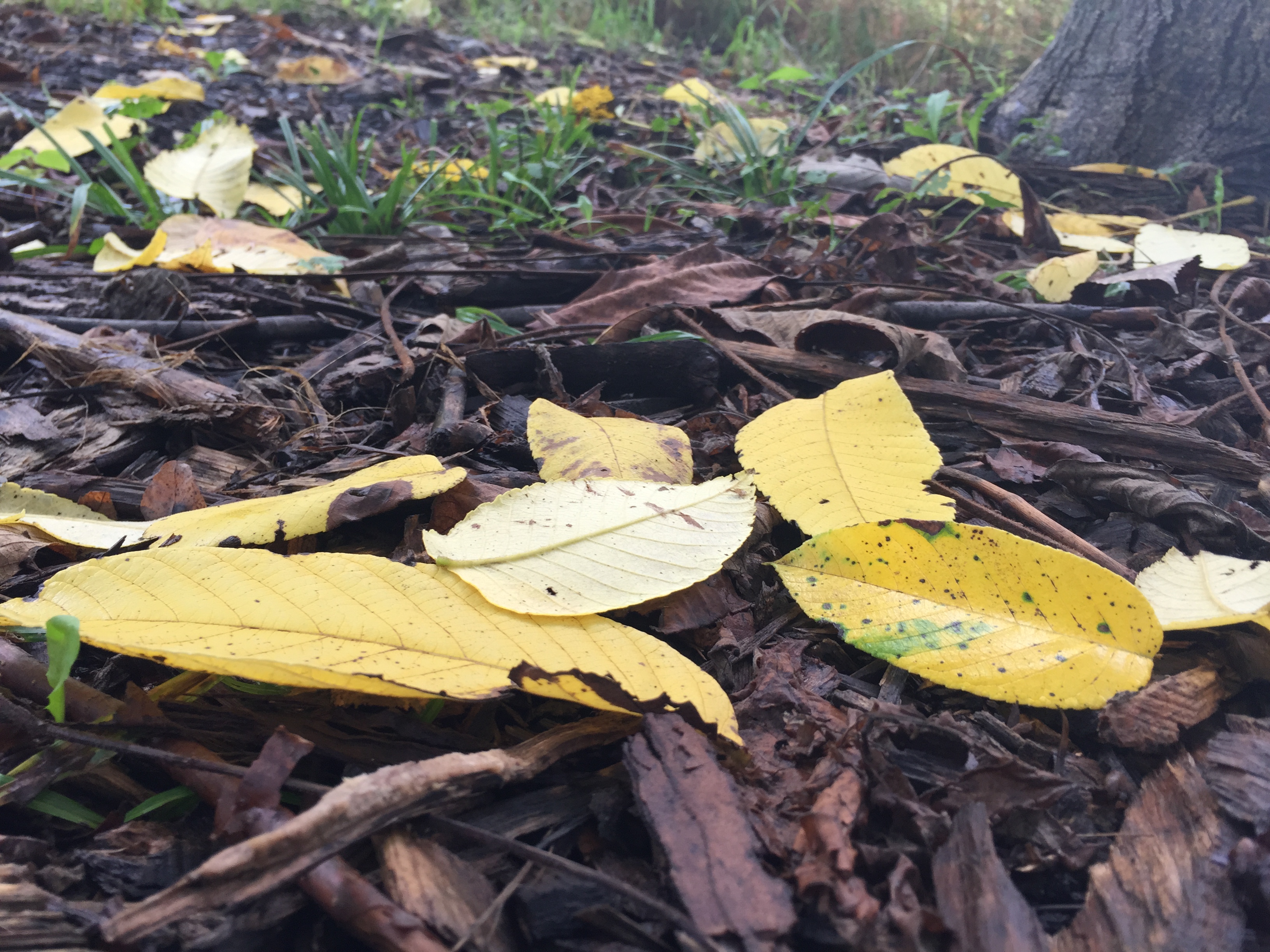
It is an incredible comfort to know they are physically alive as well. They left behind their old byellow on brownodies–bodies that were gradually dying. With Liz‘s cancer battle, this was obvious, but even though an accident took Chase’s life in the full prime of young womanhood, both were dying well before the cancer diagnosis and the accident drastically sped up the process. But NOW they are in fully alive bodies that don’t contain even a hint of death. When their loved ones are reunited with them, they will recognize them physically!
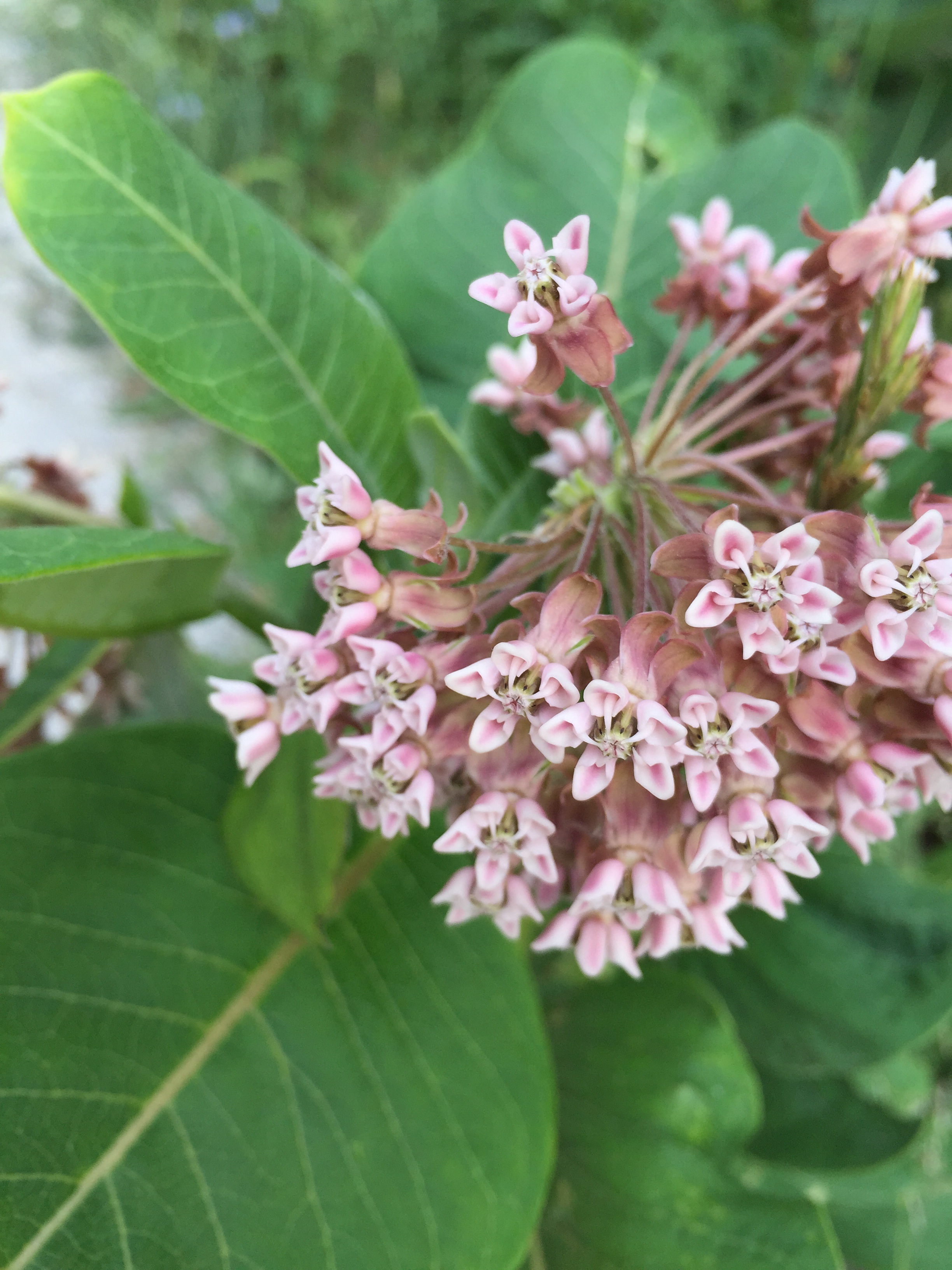
I came that you might have life,” Christ told us–tells us. Spiritual life–yes! But also physical–in bodies that will be continually renewed–that will LIVE in ways we’ve never experienced.  No aches, no pains, no fear of sickness or illness or death. No slowing down, no shortness of breath, no enhanced sense of gravity! Just life, pure, abundant, full, never ending, always flowing.
He is and will be our God–carrying and saving us through this lifetime. He is and will be our God, our source of life, for all eternity.
                                                                                      Here’s to LIFE.

I’ve got a post up on the Redbud blog

flower closeupI’ve got a post up on the Redbud blog today. “The Myth of Mediocrity” appeared on this blog a while back, so it may sound familiar if you’re a longtime follower.

While you’re at the Redbud blog, you may want to check out some of the other posts, all written by my fellow Redbud writers. There’s some really amazing and encouraging stuff there–and if you’re a writer, helpful writing advice as well.

Thanks for reading–I’m praying today for all those who read this blog. This very day may you see the Lord more clearly, love Him more dearly, and follow Him more nearly.

Grace and peace,

~Jen

More on “Rest”

NOTE: A few weeks ago, I posted this piece about the word “rest” in the book of Ruth. In the last week, I’ve encountered two things that have really resonated with me regarding that topic: 1. a quote from Thomas à Kempis (1380-1471); and 2. a song from church this past Sunday. Hope these are encouraging. ~Jen

  1. If you are constantly in search of this or that, wanting to be anywhere but where you are, believing that you will be happier having more or being somewhere else, you will never know peace, never be free of care. In everything and every place you will find something lacking. Adding things to your life, multiplying them, will not bring you peace. Only be cutting back and breaking their control over your life will you find peace. This applies not only to money and riches, but to the desire for honor, for praise, and for an undemanding life. Don’t desire what you do not have. And do not cling to anything which stands in the way of your freedom in God. Thomas à Kempis
  2. “Restless” by Audrey Assad and Matt Maher. Click on the title below to listen to Assad sing this song. The lines that spoke most to me are these: “I’m restless ’til I rest in you” and “Without you I am hopeless, tell me who you are/You are the keeper of my heart.”

RESTLESS

You dwell in the songs that we are singing

Rising to the Heavens, rising to your heart, your heart

Our praises filling up the spaces

In between our frailty and everything you are

You are the keeper of my heart

And I’m restless, I’m restless

‘Til I rest in you, ’til I rest in you

I’m restless, I’m restless

‘Til I rest in you, ’til I rest in you

Oh God, I wanna rest in you

Oh, speak now for my soul is listening

Say that you have saved me, whisper in the dark

‘Cause I know you’re more than my salvation

Without you I am hopeless, tell me who you are

You are the keeper of my heart

You are the keeper of my heart

Still my heart, hold me close

Let me hear a still small voice

Let it grow, let it rise

Into a shout, into a cry

“Restless” words and music by Audrey Assad and Matt Maher, © 2010 River Oaks Music Company, Thankyou Music, Valley Of Songs Music

Lyn Lusi

In research for an article today, I stumbled on the Heal Africa website and “met” Lyn Lusi, who left her native England to go to Congo in 1971 to teach. She married Congolese Dr. “Jo” Lusi, an orthopedic surgeon, and the two created HEAL Africa, a hospital which became famous for treating nearly 5,000 women with genital fistulas, the vast majority of which were caused by rape by militiamen.

The Economist ran a beautiful obituary on Lyn Lusi after she died in 2012 from cancer. It’s worth reading. I would also strongly suggest this video on the HEAL Africa site of Lyn accepting the Opus Prize in November 2011, just a few months before her death. She calls all listening to rise from “low living” and step into the calling God has for each of us.

the lost and found of motherhood

I am in a sweet spot of mothering right now–and before any of you fellow moms retch and mentally call me dirty names–please know that I know that next week I may feel entirely different!

But just a few years ago I wrote this about myself (though I wrote it in third person, which tells me something about my state of mind at the time!):

Pieces of her are floating away, more each evening. She tries to reassemble herself during the quiet daytime hours, but she cannot find all the bits before the scavengers gather again.

“Mom, take me here.”

“Mom, I can’t find my shoes.”

“Mom, I need help with my math homework.”

“Mom, what’s for dinner?”

It seems comical—or at least overly dramatic—this feeling she has that the more they need her, the more she shrinks, the smaller she feels. She knows there are others dealing with problems far bigger—far more REAL—than the one she wages in her mind.

Do other mothers feel this way? she wonders. Was I not meant to be one? Where is the joy I am supposed to feel at being needed? Where is the sense of calling and purpose?

Perhaps she was supposed to lose something—some strong sense of individual self-hood—at her children’s births. Maybe it should have come out with the afterbirth, and she should have examined it for its wholeness. “Yep, that’s all my self-focus. No bits and pieces left inside.” Some part of it must have escaped, and that is why she cannot serve without a vague sense of resentment.

“Do it for yourself!” she wants to scream at times, but it almost never comes out.

Instead she sometimes whispers, “I want to run away.”

But what would be left of her if she did? If she were to stop all the doing, what would be left?

Is there being without doing?

Who am I? she wonders, as her hands fold laundry and turn the steering wheel and fill the grocery cart with more food. Is my spirit supposed to be fully engaged in this? Does it have a life of its own? How do I do all this and yet remain me—or even know who I am in the doing of it?

I’m sharing that piece of vulnerable writing because I’ve had quite a few conversations in the last few weeks with moms of young ones, and several of them are not only weary, they’re feeling a little lost, too. The daily feels like forever, and they see no sign of refreshment. One mother of two preschoolers and one kindergartener teared up as we talked. The process of getting everyone out the door in the mornings was wearing on her, and she’d yelled that very morning—and then cried after she dropped her oldest off at school.

“I thought motherhood would be different,” she told me, her eyes wistful, a little wounded. “Why do I get so angry?” she asked me. “Does it get easier? Will I ever feel like the ‘me’ I used to be–or is that gone?”

Does it get easier? Will I lose some integral part of me in motherhood?

Hmm.

A friend of mine is writing a book on motherhood as a spiritual discipline, on the idea that motherhood, in itself, is a formation and practice used by God to refine us; to deepen our knowledge of ourselves; to increase our longing for Him and His presence in our day-to-day, nitty-gritty lives; to expand our awareness of His deep, boundless love for us…

So easier?

Unfortunately, I don’t think that’s the point.

But will we find our being, our ultimate completion, and our very soul in the Christ who draws near to us as we are reduced to crying out to Him?

Yes.

p.s. I would want to share the article titled “The Paradox of Motherhood” simply because the writing is incredible, but I also love what she wrote.

Being loved well

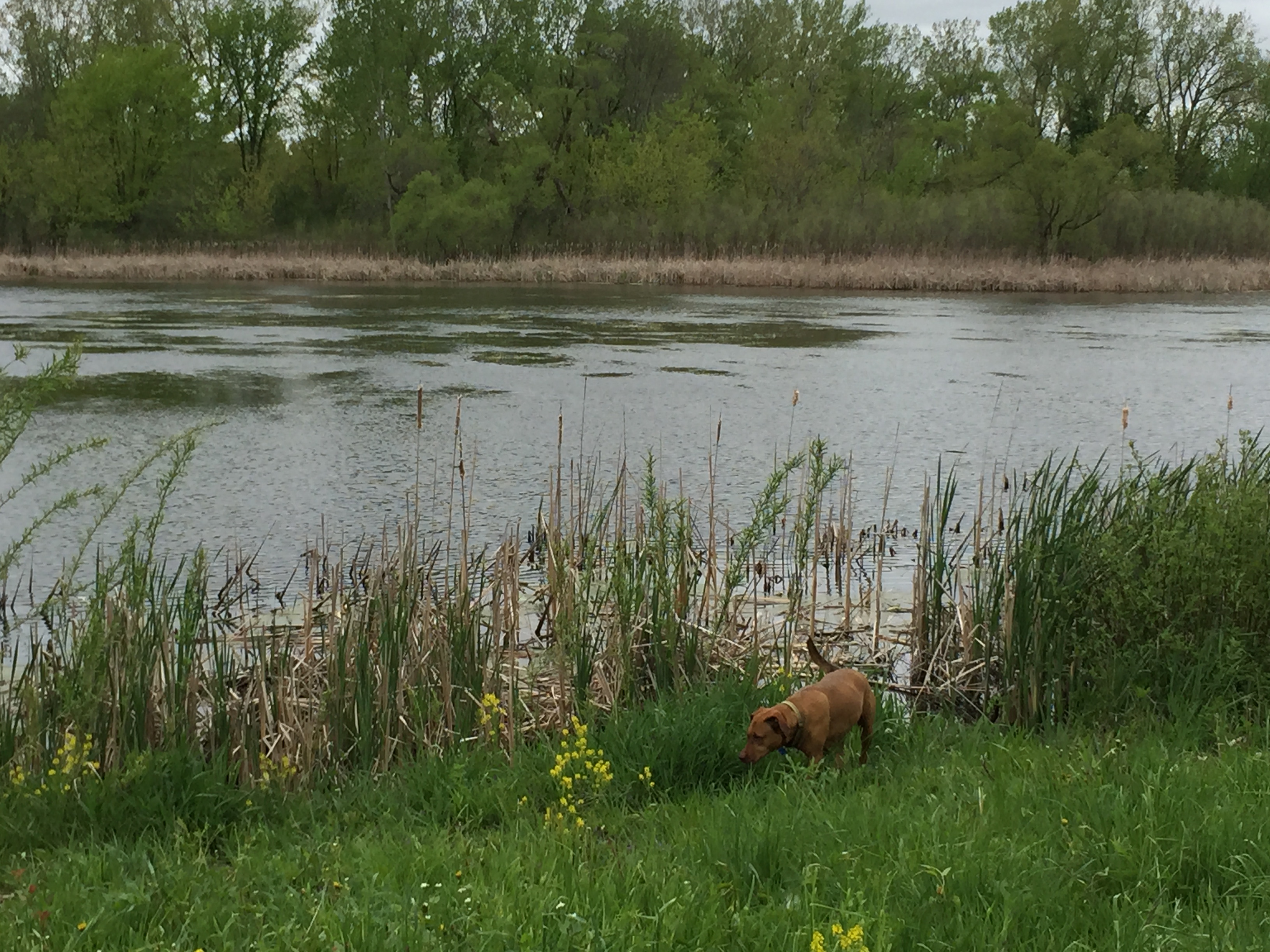
Chai dog enjoying the pond

Chai dog enjoying the pond

The dog needed a walk. I needed… something.

Turns out we both needed some time in the woods.

As I walked, I began praying the Confession, bit by bit. I’d only gotten to “I have not loved You with my whole heart; I have not loved my neighbor as myself,” when words from the devotional I’d flowerread with the kids earlier this morning came to my mind: “Your love is human and limited. It can easily get tangled up with your weaknesses and selfishness.” (Jesus Calling, kid version, p. 139)

It’s so true, I thought. Even in my best efforts to love others, my selfishness is mixed in.

dandelion clock“I don’t know how to love,” I confessed to God. “I am incapable of truly loving.”

The devotional I’d read with the kids had progressed beyond this idea, reminding its readers to “(t)ake time to rest in My Presence, and let Me fill you up with My Love.” As I walked down the forest path, I thought, “You know how to love me. You know how to love me well. This is precisely what I needed this morning, and every blade of grass, every dandelion clock, every red-winged blackbird I see is a bit of Your perfect love for me.”

pondOne morning last week, as I dropped my younger children off at school, I told each one, “_______, you are loved.” The last one to get out of the car was worried about an upcoming test and had studied the entire way to school—was still studying! “_______, you are loved,” I said.

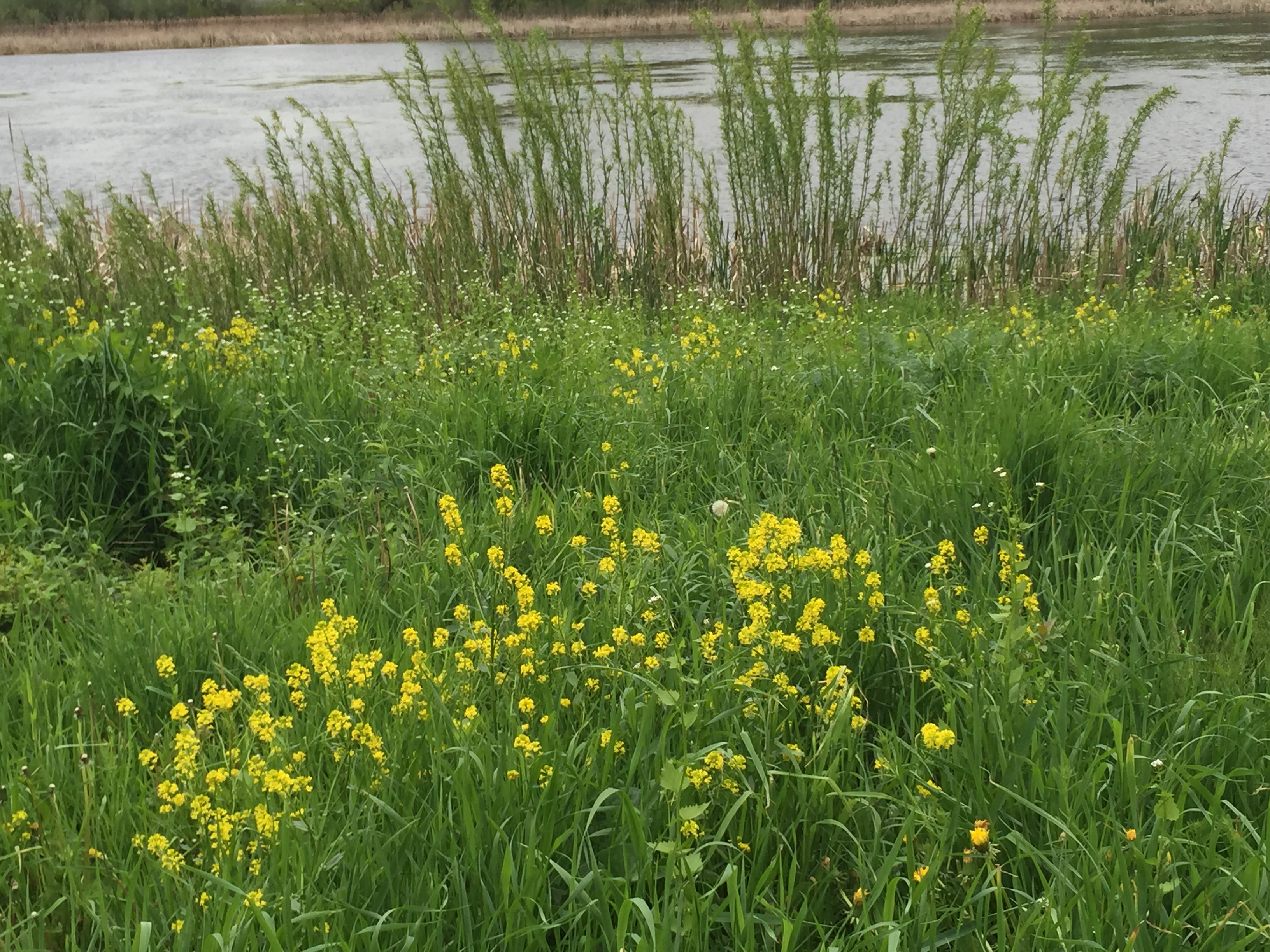
So very, very green!

So very, very green!

“Okay.” And the child hurried off.

I laughed a little as I drove away, but then I thought, How often does God say, “Jen, you are loved,” and I respond, “Okay”?

Each of us has love notes from our Father scattered throughout this day.

Lord, help us to notice them.

Isaiah 50:10

I read this verse in Isaiah this morning and felt strongly that I was supposed to post it–just it, no commentary. I’m praying it speaks directly to the heart of someone who needs this verse, this day.

“Who is among you who [reverently] fears the Lord, who obeys the voice of His Servant, yet who walks in darkness and deep trouble and has no shining splendor [in his heart]? Let him rely on, trust in, and be confident in the name of the Lord, and let him lean upon and be supported by his God.” Isaiah 50:10, Amplified version